 11
11
In today’s digital landscape, where interconnected devices and the Internet of Things (IoT) are becoming increasingly prevalent, ensuring secure and reliable identity management has become a critical challenge. Blockchain technology offers a promising solution to address this challenge by providing a decentralized and immutable platform for managing identities in the IoT ecosystem. In this article, we will explore the concept of blockchain-based identity management in the Internet of Things and its potential applications. So, let’s dive in and discover how blockchain can revolutionize identity management in the IoT.
Blockchain-based identity management refers to the use of blockchain technology to securely store, verify, and manage digital identities in the IoT. Traditional identity management systems rely on centralized authorities such as governments, organizations, or service providers to validate and maintain identities. However, these centralized systems are vulnerable to single points of failure, data breaches, and privacy concerns.
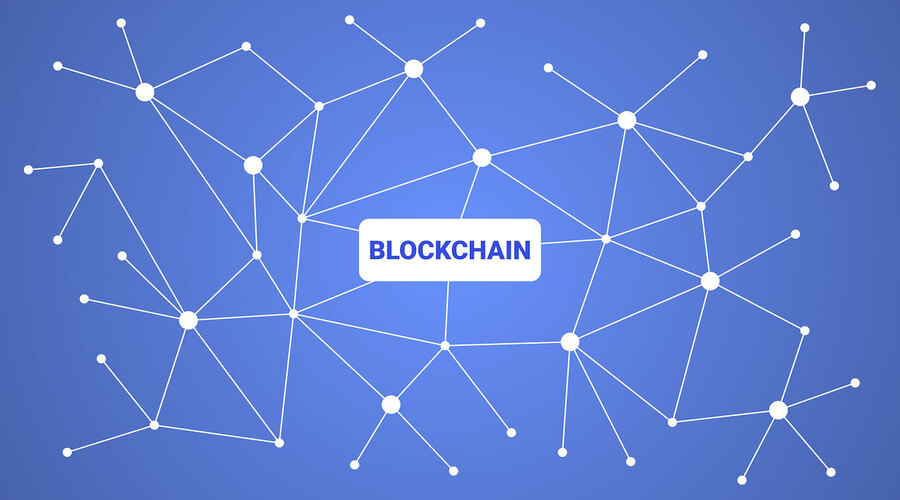
Blockchain technology, on the other hand, is a distributed ledger technology that enables the creation of a decentralized and tamper-proof network. By leveraging the principles of cryptography and consensus algorithms, blockchain provides a transparent and secure platform for managing digital identities without the need for intermediaries. Each identity is represented as a unique cryptographic key or a digital certificate stored on the blockchain, ensuring integrity, privacy, and control over personal data.
Blockchain-based identity management in the IoT offers several key benefits:

Blockchain-based identity management has diverse applications in the IoT ecosystem:
In the realm of smart homes, blockchain-based identity management can play a crucial role in securing connected devices. By utilizing blockchain technology, smart devices can securely authenticate and communicate with each other, ensuring that only authorized devices have access to sensitive information or control over critical systems.
Blockchain-based identity management enhances transparency and traceability in supply chain and logistics networks. It provides an immutable record of every transaction and movement along the supply chain, enabling stakeholders to verify the origin, provenance, and quality of products. This reduces counterfeiting, improves trust, and enhances supply chain efficiency.
Blockchain-based identity management ensures secure and interoperable management of healthcare data and patient records. Medical records can be securely stored, accessed, and shared among healthcare providers, ensuring data integrity, privacy, and consent management. Patients have greater control over their medical data, granting permission for access and sharing on a need-to-know basis.
In the realm of autonomous vehicles, secure and trusted interactions between vehicles and infrastructure are essential. Blockchain-based identity management enables secure vehicle-to-vehicle (V2V) and vehicle-to-infrastructure (V2I) communication. This ensures that only authenticated and authorized entities can interact with autonomous vehicles, preventing malicious attacks and ensuring road safety.
Ensuring the integrity and transparency of voting systems is crucial for maintaining the democratic process. Blockchain-based identity management can provide a secure platform for voter registration, authentication, and vote counting. By leveraging blockchain technology, each vote can be recorded in a tamper-proof and transparent manner, making it nearly impossible to alter or manipulate the results. Blockchain ensures that only eligible voters can participate, preventing voter fraud and enhancing election integrity. This application of blockchain technology has the potential to revolutionize the way elections are conducted, fostering trust and confidence in the democratic process.
The digital age has brought about new challenges in protecting intellectual property rights and digital assets. Blockchain-based identity management can provide a secure and decentralized solution for managing ownership and rights in the digital realm. By leveraging blockchain, digital assets such as music, artwork, and intellectual property can be securely registered, verified, and transferred. This ensures transparency, prevents unauthorized use or duplication, and simplifies the process of licensing and monetizing digital creations. Blockchain technology empowers creators by enabling them to assert their rights and receive fair compensation for their work.
The insurance industry heavily relies on the verification of identities, policies, and claims. Blockchain-based identity management can streamline the insurance process, enhancing efficiency, reducing fraud, and improving customer experience. By utilizing blockchain, insurance companies can securely verify the identities of policyholders, ensuring accurate underwriting and preventing fraudulent activities. Additionally, blockchain-based smart contracts can automate claims processing, enabling faster and transparent settlement of claims. This reduces administrative overhead, eliminates disputes, and enhances trust between insurers and policyholders.
Aviation security is of paramount importance, and blockchain-based identity management can enhance the safety and efficiency of airport operations. By utilizing blockchain, passenger identities can be securely authenticated, reducing the risk of identity fraud and unauthorized access to restricted areas. Blockchain technology can also facilitate seamless sharing of passenger data between airlines, airports, and border control agencies, enabling faster and more accurate security screenings. This enhances airport security, improves passenger experience, and ensures compliance with aviation regulations.
Verifying academic credentials and qualifications is a vital process in the education sector. Blockchain-based identity management can revolutionize the way academic credentials are stored, verified, and shared. By leveraging blockchain, educational institutions can issue tamper-proof digital certificates and degrees, eliminating the risk of counterfeit credentials. Blockchain ensures the integrity and authenticity of academic records, making it easier for employers and educational institutions to verify qualifications. This technology simplifies the process of credential verification, reduces administrative burdens, and enhances trust in the educational system.
In the world of sports, ensuring fair competition and verifying athlete identities is crucial. Blockchain-based identity management can provide a transparent and immutable platform for athlete verification and anti-doping efforts. By utilizing blockchain, athlete identities and drug test results can be securely recorded, making it difficult to manipulate or falsify data. This enhances the integrity of sports competitions and protects the rights of clean athletes. Blockchain technology also facilitates the secure transfer of ownership and trading of sports memorabilia and collectibles, ensuring authenticity and transparency in the sports industry.
Exploring blockchain-based identity management in the Internet of Things reveals the transformative potential of this technology. By providing enhanced security, data integrity, and user control, blockchain can revolutionize the way identities are managed in the IoT ecosystem. From smart homes to supply chains and healthcare, blockchain-based identity management offers a secure and decentralized solution to address the challenges of identity in the digital age. As the IoT continues to evolve, blockchain technology will play a crucial role in ensuring the trustworthiness and integrity of digital identities.